General Sessions: Keynote + Awards Reception + Capstone
Announcing the 2027 General Session Speakers
2027 Keynote Address
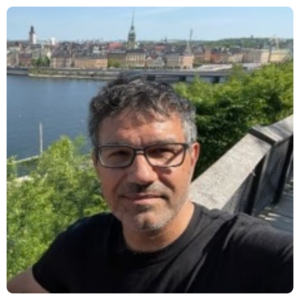
Matthew Kauffman, PhD
Wildlife Biologist at U.S. Geological Survey, Migration Ecologist AND Lead Scientist at the Wyoming Migration Initiative
- Wednesday, February 3: 10:00am to 11:30am
Matthew Kauffman is a wildlife biologist whose research has transformed our understanding of animal migration across the American West. As Director of the Wyoming Migration Initiative and Leader of the Wyoming Cooperative Fish and Wildlife Research Unit at the University of Wyoming, his work focuses on the movements of mule deer, pronghorn, elk, and other migratory species, and on the conservation of the landscapes that sustain their remarkable journeys.
Kauffman has spent his career studying how wildlife navigate increasingly fragmented landscapes and translating those discoveries into meaningful conservation action. His research has helped inform migration corridor conservation efforts throughout the western United States and has demonstrated the critical connections between wildlife movement, habitat conservation, and land-use planning.
I was first introduced to Matt’s work through a book club discussion hosted by The Wildlife Society’s Student Development Working Group focused on Crossings, written by Ben Goldfarb. When I asked Ben who would be an ideal speaker for our conference theme, Matt was his immediate recommendation. After learning more about his work, it quickly became clear why. The stories emerging from decades of migration research are both scientifically fascinating and deeply inspiring, illustrating how collaborative conservation can reconnect landscapes and protect some of the most iconic wildlife movements in North America.
As our 2027 Keynote Speaker, Matt will help us explore the biological and conservation significance of migratory pathways while demonstrating how science can inform real-world solutions. His work captures the essence of our theme, Interwoven Paths: Navigating Migratory Routes, and Rediscovering Our Own, by revealing the extraordinary journeys wildlife undertake and the collective efforts needed to ensure those journeys continue for generations to come.
Learn more about Matthew Kauffman: Wyoming Migration Initiative – www.migrationinitiative.org
Bio: Since 2006, Matt has worked as a USGS researcher with the Wyoming Cooperative Fish and Wildlife Research Unit and as faculty in the Department of Zoology and Physiology at the University of Wyoming. In 2012, Matt co-founded the Wyoming Migration Initiative (migrationinitiative.org), whose mission is to advance the understanding, appreciation, and conservation of migratory ungulates. In 2018, Matt worked with States and Tribes to create the collaborative Corridor Mapping Team, which works to map ungulate migrations across the American West.
2027 Capstone Address
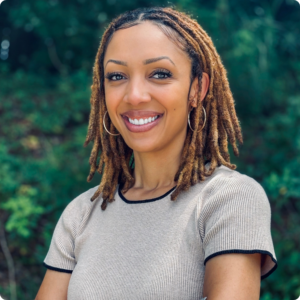
Corina Newsome, M.S.
Conservation Scientist, Science Communicator, Co-Founder, Black Birders Week
- Friday, February 5: 10:30am to 12:00pm
Corina Newsome is a wildlife biologist, science communicator, and environmental justice advocate dedicated to creating a more inclusive and equitable future for conservation. As a Conservation Scientist with the National Wildlife Federation, Corina works to advance conservation science, policy, and implementation while elevating the voices and experiences of communities that have historically been excluded from environmental spaces.
Her research has focused on birds and landscape ecology, particularly understanding how habitat management can support species facing challenges associated with climate change. Beyond her scientific work, Corina has become a nationally recognized voice in conservation through her ability to connect science, storytelling, and social justice. Through public engagement and advocacy, she has inspired countless people to develop a deeper appreciation for birds, wildlife, and the natural world.
I first became aware of Corina’s work as a co-founder of the inaugural Black Birders Week in 2020. At a time when many of us were connected primarily through online communities, the movement helped shine a light on both the beauty of birding and the persistent challenges faced by Black, Indigenous, and other people of color within outdoor and conservation spaces. The effort inspired similar initiatives across the birding community and demonstrated the power of representation in creating a sense of belonging.
Over the years, listening to Corina speak through podcasts, interviews, Instagram livestream, and public presentations, I have been continually inspired by her passion, authenticity, and unwavering commitment to conservation. Her message serves as a reminder that science alone is not enough; meaningful conservation also requires empathy, connection, and the courage to create pathways for others. Personally, her work has reinforced my own commitment to supporting a more inclusive conservation community and carrying that passion forward.
As our 2027 Capstone Speaker, Corina will help us reflect on the human side of conservation. Her perspective embodies the spirit of Interwoven Paths, showing how the journeys of wildlife, the stories of people, and the future of conservation are all deeply connected. Through her work, she challenges us to think not only about protecting migratory routes across landscapes, but also about creating pathways that encourage new voices, new leaders, and new communities to find their place in conservation.
Learn More about Corina Newsome: @Hood_Naturalist — @BlackAFinSTEM — www.blackafinstem.com
Bio: Corina is a wildlife biologist and science communicator who works to advance conservation science, policy, and implementation that is rooted in environmental justice. She currently serves as the Conservation Scientist at National Wildlife Federation.
Corina’s research has focused on answering landscape ecology questions that inform habitat management for birds imperiled by climate change. Her fascination with birds extends beyond her research and into the communities where she lives and works, serving as beautiful vehicles through which she connects herself and others to the world around them.
Witnessing the need for both sound science and strong policy actions to address the climate and biodiversity crises, Corina’s advocacy work has ranged from advancing climate action in faith communities, to mobilizing scientists and members of the public across the country to protect the integrity and science capacity of federal conservation programs.
Recognizing the power of representation in her own career trajectory, Corina is committed to increasing the visibility of Black science professionals for the next generation of STEM experts, and centering the leadership and perspectives of Black, Indigenous, and communities of color in wildlife conservation, environmental education, and exploration of the natural world