Call for Papers
Call for Abstracts
The Call for Papers has closed as of October 22, 2026. If you are interested in being added to the oral presentation waiting list to be considered if a speaker cancels, please submit your abstract here for consideration.
There will be three different ways to participate in our 2027 scientific technical sessions:
- 20-Minute Oral Presentation
- 7-Minute Lightning Flash Oral Presentation
- Poster Presentation
|
Oral Scientific Technical Presentations:
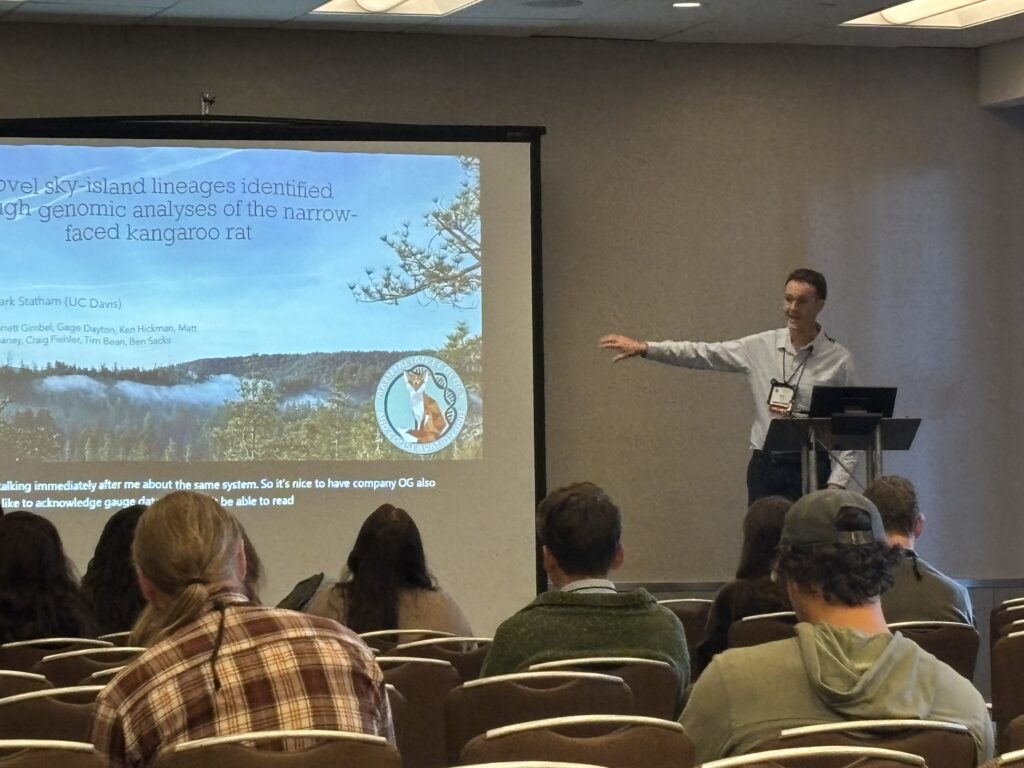
All papers associated with the oral scientific technical sessions will be presented from Wednesday afternoon through Friday morning, February 3 to February 5, 2027. Abstract content should be related to the technical session topics listed below, but additional topics will be entertained if sufficient presentations are submitted. The conference program committee will evaluate the submitted abstracts to determine the final concurrent session topics and technical session program. TWS-WS will record all oral scientific technical sessions. The recordings will be posted online after the meeting, and will be available for online viewing for six months following the meeting.
Choice of Oral Presentation:
- 20-minute Oral Presentation, OR
- 7-minute Lightning Flash Oral Presentation – A lightning talk is a brief 7-minute presentation that focuses on an idea or topic. Lightning talks can also provide an update on key findings and can be excellent opportunities to promote conversations and future collaborations. These concise and efficient talks are intended to gain the attention of the audience, communicate key information, and allow for several presenters to share their ideas in a brief period of time.
Poster Session Presentations:
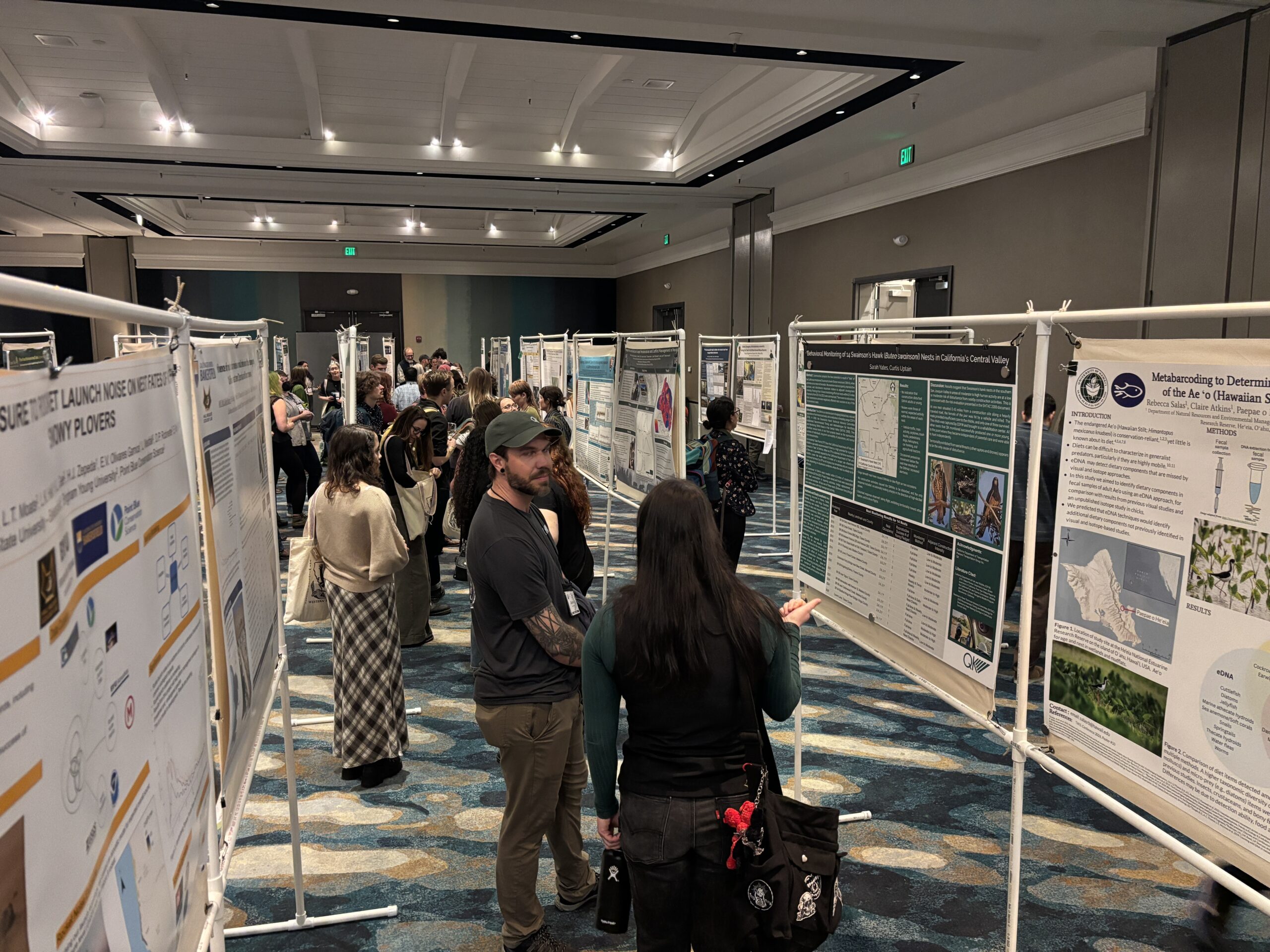
Poster presenters will set up their posters in the conference great room in the morning on Wednesday, February 3, 2027. Display boards will be provided. Posters will be available for viewing Wednesday morning through Thursday afternoon during the Annual Meeting. Two (one-hour) poster sessions will be held during the evening reception on Wednesday, February 3, 2027 from 6-8pm. Poster presenters will be assigned to present in either the A hour or the B hour and they must be available at this time to discuss their work with interested viewers.
Please know that submitting an abstract does not imply acceptance or guarantee a place in the program. Some submitted papers or posters will likely not be accepted because they may not be suited to the conference, encounter scheduling problems, or have other issues. Decisions to accept or not accept papers or posters are solely the responsibility of the Program Committee. The committee expects that your co-authors are aware of and have approved this abstract. All presenters are expected to pay the appropriate meeting registration fees and to cover their own travel expenses.
Commitment to Present: Submitting an abstract and accepting a place in the program is a serious commitment. Keep in mind that your acceptance means a decline for another potential presenter. We request that you accept the role of presenter seriously and commit to attending the conference and presenting your work. Note that we track all abstract withdrawals that come in after December 15th and these will be taken into account when reviewing submissions from the same author(s) in future years. Exceptions will be made for documented emergencies, including serious illness or family emergencies. Authors requesting an exception should contact our meeting planner with relevant documentation as soon as circumstances allow.
Oral Sessions Will be Recorded: The Western Section will video record all Concurrent Technical Sessions and General Sessions. The recordings will be posted online 1 month after the meeting, and will be available for online viewing by meeting attendees for three months.
We will announce our 2027 Annual Meeting scientific technical session schedule no later than December 4, 2026 and all who have submitted an abstract to the Call for Papers will be notified of their status at this time. Thank you, in advance, for your time and effort in the submission process. Sometimes our abstract acceptance emails end up in spam folders so please check these folders if you do not see our notification email by this date.
2027 Scientific Technical Session Topics
- Ecology and Conservation of Amphibians
- Ecology and Conservation of Bats
- Ecology and Conservation of Birds
- Ecology and Conservation of Invertebrates
- Ecology and Conservation of Large Mammals
- Ecology and Conservation of Reptiles
- Ecology and Conservation of Small Mammals
- California With and Without Grizzlies
- Challenges and Successes in Ecological Consulting
- Challenges and Successes in Restoring and Monitoring Wildlife Habitats
- Citizen Science and Community Pathways in Conservation
- Conservation Across Pacific Islands
- Conservation Corridors and Connectivity
- Conservation on Military Lands: Balancing Readiness and Stewardship
- Critical Habitat Loss
- Game Animals
- Genetics, Connectivity, and Wildlife Conservation
- Highly Protected Species
- Hunting Regulation Impacts
- Impacting Wildlife Through Habitat Restoration
- Innovations in Wildlife Investigations, Conservation, and Management
- Interwoven Careers: Collaboration Among Wildlife Career Pathways
- Migration Across Landscapes and Seascapes
- Pond Turtle Research & Conservation
- Public Policy and Wildlife Management
- Studies in Exotic and Invasive Species Management
- Wildlife Movement Ecology Across Taxa
- Other/Session titles may be added or changed at a later date based on papers received.
Call for Dedicated Oral Scientific Sessions
If a group has the desire and sufficient participants to create a unique session please contact the program chair, Angel R. Ramirez, angel.ramirez@tws-west.org.
Abstract Submission Instructions:
Abstracts should not exceed 200 words and must adhere to format and layout elements provided in the example below. Indicate whether the paper will be an oral presentation or a poster, and if an oral presentation, indicate your preferred session.
ABSTRACT EXAMPLE:
- Preferred Session: Ecology and Management of Shorebirds
- Type of paper: Oral presentation
- If a student, indicate if you intend to participate in the Student Judging program. (See below for more information on this program.)
Paper Title: Status and Habitat Use of Long-Billed Curlews in the Central Valley in Fall
Please capitalize the first letter of the words in the full title, and do not use all caps.
- David Shuford, PRBO Conservation Science, 3820 Cypress Drive #11, Petaluma, CA 94954, dshuford@prbo.org, (415) 868-0371×310; Co–authors: Gary W. Page; Gary M. Langham; and Catherine Hickey
Abstract: The long-billed curlew (Numenius americanus) – a large shorebird of conservation concern at the continental level – is a migrant and winter resident in California’s Central Valley, where it concentrates primarily in agricultural lands. Despite recent estimates of the size of the curlew’s North American breeding population, little is known about its abundance and habitat needs at migratory stopovers and wintering areas. To help fill these gaps, we coordinated three broad-scale surveys of curlews in the central and southern portions of the Central Valley in fall and winter in 2007-2008 and a more comprehensive survey of the entire Central Valley in August 2009. In the latter survey, we recorded 20,775 curlews in 197 flocks. In all years in autumn, the vast majority of curlews were found in irrigated croplands, primarily alfalfa and irrigated pastures, during this otherwise arid season. More frequent surveys at the local level in Solano County and more recent radio-telemetry studies indicate that some curlews shift their distribution from fall to winter. More work on fine-scale habitat preferences and movements in the Central Valley is needed to aid in the conservation of this at-risk shorebird.
Competition for Student Awards at the TWS Western Section Annual Meeting:
The Western Section of The Wildlife Society is pleased to offer six cash awards for students who speak in an oral session or present a poster at our annual meeting. “Student” is defined as any individual, any age, who is currently enrolled or has received a degree within six months of the meeting date from any high school, accredited college, or university (not limited to those within the Western Section). From high school to post-doc, we welcome your participation!
The value of the cash awards varies slightly, based upon the number of students in the competition. In general, the more students who compete, the more cash we award! Please be sure to indicate when you submit your abstract whether you intend to compete in the student judging competition. It is your responsibility to express your intent to participate. By participating in the competition, you will receive positive remarks and constructive criticism from the judges (typically at least three), telling you what they liked and how you can improve your next presentation. Link to more information